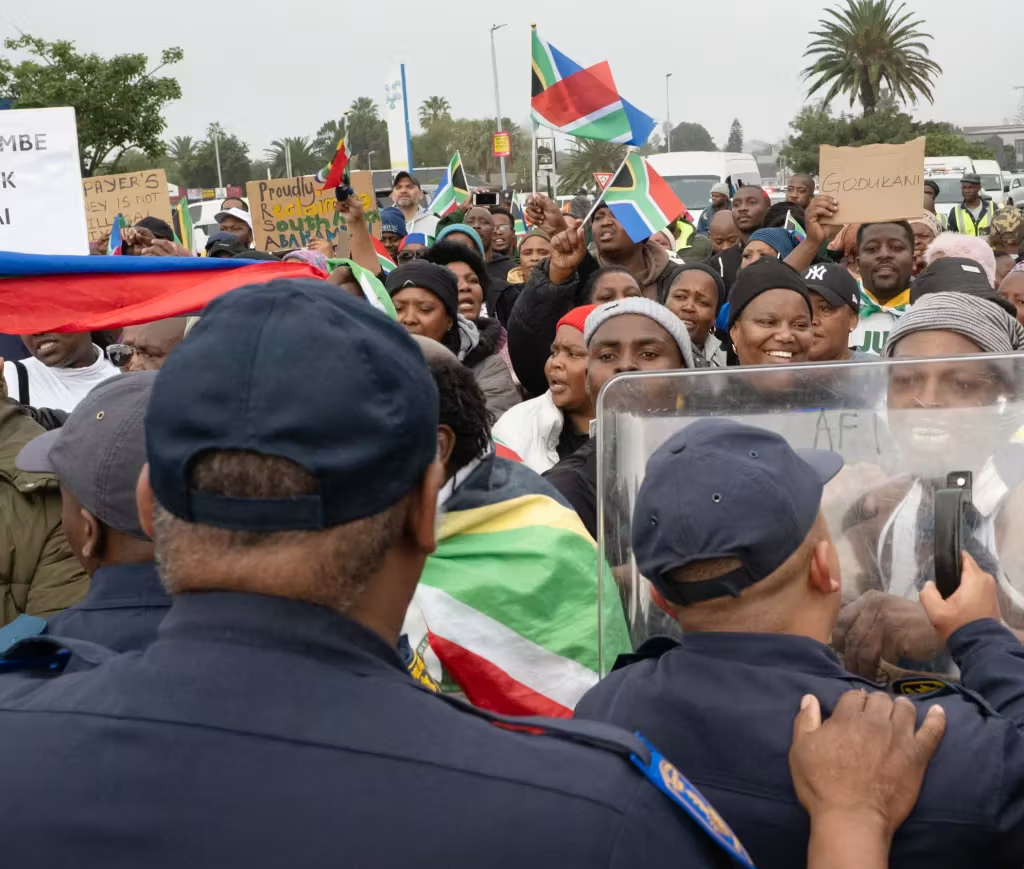
Shadows on the Rainbow Nation: Understanding South Africa’s Xenophobia Crisis
Written by eminencetv.radio on June 2, 2026
For decades, South Africa has proudly worn the badge of the “Rainbow Nation”—a beautiful symbol of unity, diversity, and a triumph over the dark days of apartheid. But under the surface, a recurring crisis continues to threaten that ideal.
Xenophobic discrimination and targeted violence against foreign nationals remain a deeply painful, unresolved issue. For communities watching from across the continent, it’s a situation that sparks equal parts heartbreak, anger, and worry.
But what is really driving these waves of hostility, and how did a nation built on the spirit of Ubuntu (humanity toward others) find itself here? Let’s break down the facts.
A History etched in Flares
Xenophobia in South Africa isn’t a sudden development; it’s an ongoing wound that punctures public life every few years. While local media often reports these incidents as isolated criminal acts, human rights organizations point to a much deeper pattern.
- The 2008 Flashpoint: The first massive, coordinated wave of violence shocked the world in May 2008. Riots across townships in Johannesburg and Cape Town left 62 people dead and forced over 100,000 to flee their homes.
- The 2015 & 2019 Resurgences: Major outbreaks returned, specifically targeting small convenience stores and businesses owned by immigrants from nations like Nigeria, Somalia, Ethiopia, Zimbabwe, and Malawi.
- The Modern Landscape: Data collected by Xenowatch—a platform tracking anti-immigrant hostility—shows that while large-scale deadly riots have stabilized, the issue has transformed into institutionalized discrimination, illegal evictions, unlawful arrests, and the rise of organized vigilante movements like Operation Dudula.
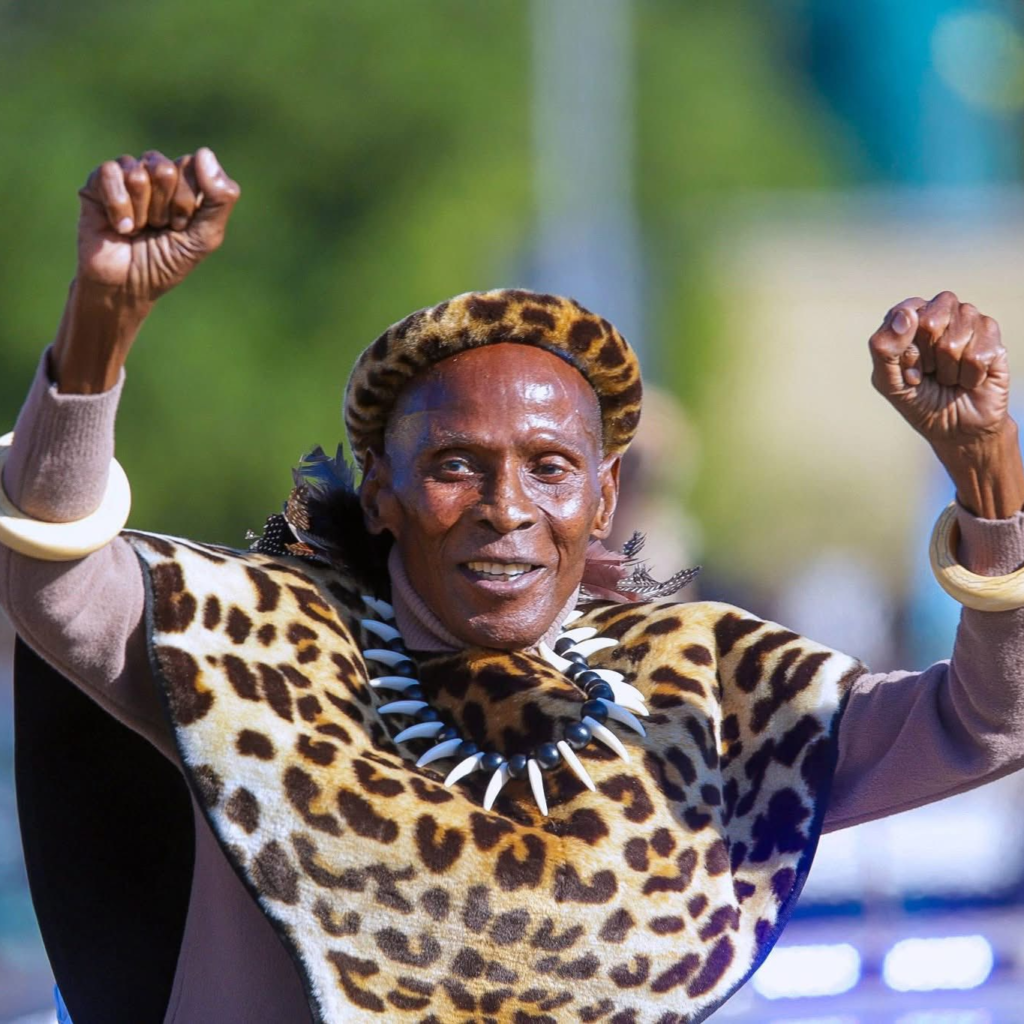
“I am not going to join anyone who beats up an African person, I’m not part of that mess. I will never even support anyone who would stone a white person, it doesn’t matter the amount of disagreements we are having with them.” – Julius Malema
The Real Drivers: Scapegoating Complex Realities
It is incredibly easy to blame “anti-foreigner sentiment” on pure hatred, but the socio-economic engine beneath it is complex. Experts point to three structural realities that feed the tension:
| Root Cause | The Impact on the Ground |
| Socio-Economic Strain | South Africa struggles with crushing levels of unemployment and poverty. When basic government services like water, electricity, and healthcare are stretched thin, foreign shop owners and laborers are easily targeted as the cause. |
| Political Rhetoric | During high-stakes political campaigns, foreign nationals are frequently used as political scapegoats. Hardline anti-immigrant rhetoric from politicians fuels community anxieties. |
| The “Violence Entrepreneur” | In areas where local government leadership is weak, self-appointed vigilante groups step into the vacuum. They weaponize local frustrations to justify extortion, intimidation, and forced closures of immigrant businesses. |
The Regional Ripple Effect
This isn’t just a South African problem—it’s an African crisis. Every time violence flares up, it strains diplomatic ties between Pretoria and the rest of the continent.
In the past, countries like Nigeria, Zambia, and Malawi have threatened to cut economic ties, or have even faced domestic retail protests against South African corporate giants operating within their own borders. It’s a dangerous cycle that actively threatens continental unity and free trade frameworks like the AfCFTA.
The Human Toll: Behind the macroeconomic data and political headlines are real people. Refugees fleeing war and asylum-seekers looking for safety find themselves stuck in a cycle of fear, often unable to open their shops or send their children to school out of sheer vulnerability.
Moving Past the Headlines
Ending xenophobia requires moving past temporary police interventions. True resolution lies in implementing the country’s National Action Plan to Combat Racism and Xenophobia, holding political figures accountable for dangerous language, and fixing the deep-seated economic challenges that make people look for someone to blame.
As a station, we keep our microphones open to these stories—not to sensationalize the tragedy, but to remind our listeners that regional stability and human dignity matter, no matter what side of a border line you were born on.