Banned from the Timeline: The High Cost of Hate Speech in Modern Zambia
Written by eminencetv.radio on June 2, 2026
If you think your social media comments are just shouting into the void, Zambia’s judicial system has a loud message for you: THINK AGAIN…
Over the last few months, a massive wave of convictions, high-profile arrests, and sweeping legislative changes have made one thing crystal clear—the era of the unregulated online “wild west” in Zambia is officially over. From popular TikTok creators to prominent political figures, the state is aggressively cracking down on hate speech, tribal remarks, and cyber-insults.
But where does the line between free speech and criminal behavior actually sit? Let’s dive into the cases shaking up the country.
The Big Case Files: From TikTok to High Court
The state has made examples out of high-profile figures across the spectrum, proving that no one is immune to the country’s strict cyber laws.
+------------------------------------+------------------------------------+
| Case & Profile                     | The Verdict / Legal Standing       |
+------------------------------------+------------------------------------+
| "Why Me" (Francis Kapwepwe)        | Sentenced to 24 months in prison   |
| Popular TikTok Creator & Troll     | for hate speech and online abuse.  |
+------------------------------------+------------------------------------+
| "One Boss Lady" (Ethel Edwards)    | Jailed for 18 months following     |
| Zambian-American Influencer       | defamatory cyber-insults.          |
+------------------------------------+------------------------------------+
| Chishimba Kambwili                 | 5-month sentence with hard labor   |
| Former Government Minister         | upheld after losing appeal.        |
+------------------------------------+------------------------------------+
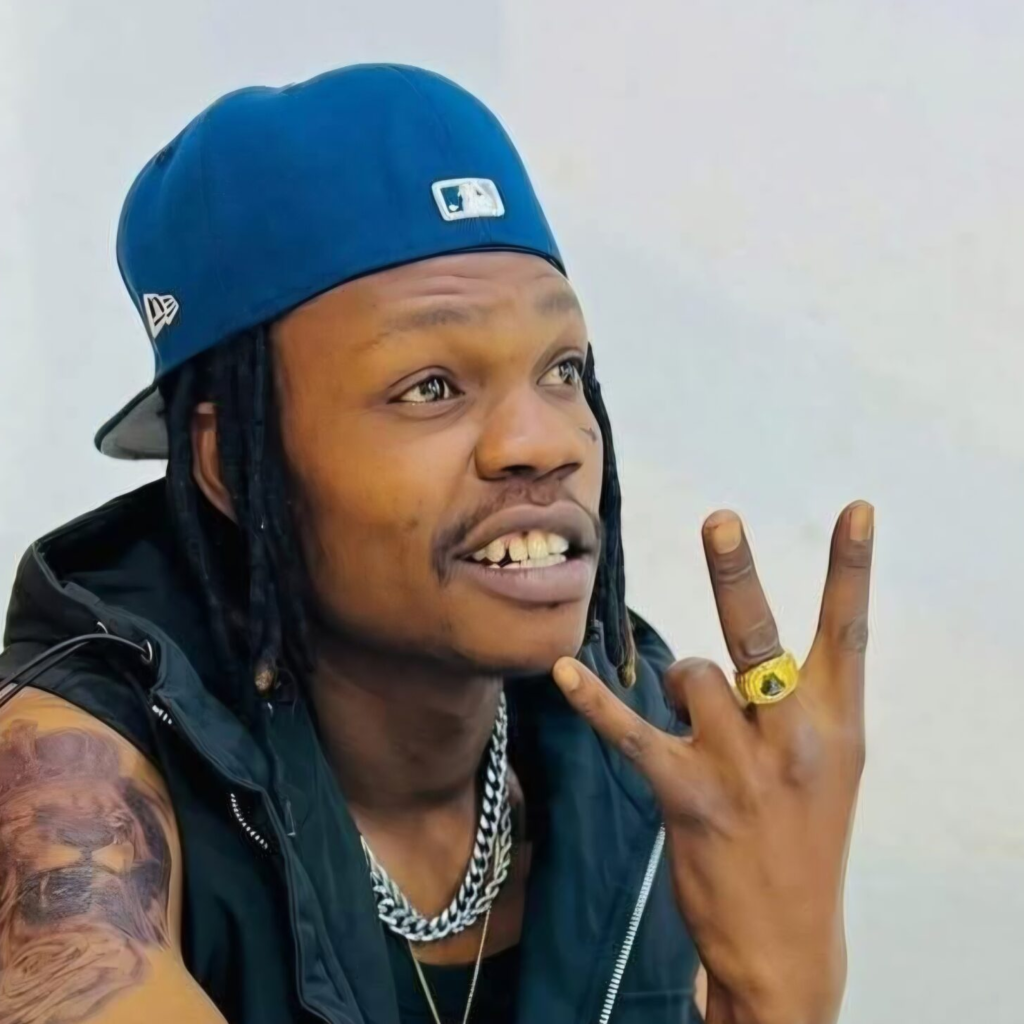
- The TikTok Crackdown: The recent sentencing of local TikTok content creator Francis Kapwepwe, widely known online as “Why Me,” to 24 months in prison sent shockwaves through the local digital community. Known for his edgy, unfiltered commentary, his jail term has served as an immediate warning to creators that digital clout won’t protect you from real-world bars.
- The Influencer Warning: Similarly, Zambian-American influencer Ethel Chisono Edwards (“One Boss Lady”) was handed an 18-month sentence in Lusaka. She pleaded guilty to hate speech and insulting remarks, highlighting how strictly the state is enforcing its newer cyber legislation.
- The Political Fallouts: This isn’t just about internet trolls. Former Government Minister Chishimba Kambwili lost his high-profile appeal and was sent straight to prison to serve a 5-month hard labor sentence over highly divisive tribal remarks made during a live radio broadcast.
The Legal Backbone: Section 70 and the Cyber Act
So, what laws are sending people to prison? The government is primarily using a tag-team of two powerful legal frameworks:
- Section 70(1) of the Penal Code: This specifically criminalizes uttering words or publishing material that expresses hatred, ridicule, or contempt against any individual or group based on race, tribe, ethnicity, region, or religion.
- The Cyber Security and Cyber Crimes Act: This handles everything that happens digitally. Even though President Hakainde Hichilema repealed the old, controversial law against “defaming the President,” prosecutors are successfully utilizing the Cyber Act to penalize malicious online attacks, cyberbullying, and hate speech.
Lawmakers are Doubling Down: Parliament has actively sought to amend the Penal Code to make these punishments even more severe. While early proposals suggested staggering minimum sentences of up to 7 years for first-time offenders, the parliamentary legal committee ultimately recommended a maximum cap of 5 years for first-time offenders and up to 10 years for repeat offenders to keep the punishments proportionate.
The Great Free Speech Debate
Unsurprisingly, this aggressive legal push has completely divided public opinion, making it the number one topic on call-in radio shows:
- The Pro-Crackdown Argument: Supporters argue that strict enforcement is vital to preserving Zambia’s peace. In a diverse nation, unchecked tribal slurs and toxic online hate speech have the potential to spiral into actual violence and destabilize communities.
- The Free Speech Concern: On the flip side, human rights watchdogs and civil society groups worry about a “chilling effect.” Critics argue that if the definitions of “hate speech” or “ridicule” are interpreted too broadly, the laws could be weaponized to silence legitimate political dissent, comedy, and journalistic critique.
Over to You!
As we watch the digital landscape shift in real-time, the big question lands in your lap. Has the judiciary finally found the perfect tool to clean up our timelines, or are we sacrificing our right to speak freely?